Lando Norris
 Oscar Piastri
 George Russell
 Kimi Antonelli
 Max Verstappen
 Isack Hadjar
 Liam Lawson
 Arvid Lindblad
 Lewis Hamilton
 Charles Leclerc
 Alexander Albon
 Carlos Sainz
 Oliver Bearman
 Esteban Ocon
 Fernando Alonso
 Lance Stroll
 Nico Hulkenberg
 Gabriel Bortoleto
 Pierre Gasly
 Franco Colapinto
 Sergio Perez
 Valtteri Bottas
 Ayrton Senna
 Kevin Magnussen
 Jack Doohan
 Daniel Ricciardo
 Sebastian Vettel
 Yuki Tsunoda
 Zhou Guanyu


 The chequered flag has fallen on the 2025 season, and with it, the sun has set on one of the most intriguing, volatile, and technically fascinating eras in the history of Formula 1. It was a year that defied the scripts written in the winter testing sessions, a year that saw the toppling of dynasties, the unexpected resurrection of fallen giants, and a championship battle that went down to the absolute wire, decided by the finest of margins. As we stand now, catching our breath in the paddock, the air is thick not just with the cooling vapors of the current machines but with the electric anticipation of what is to come. The 2026 regulations loom large, a monolith of change that promises to reset the board, redefine the engineering challenge, and reshape the very DNA of Grand Prix racing.
This report serves as both a tombstone for the 2025 season and a blueprint for the 2026 revolution. We will dig deep into the performances that defined the year, dissecting the triumphs and the tragedies of the grid, before turning our gaze forward to the technical weeds of the new regulations. From the complexities of active aerodynamics to the strategic nuances of the new power units, and the political seismic shift of an eleventh team joining the fray, this is the exhaustive chronicle of a sport in transition.
If you had walked through the paddock at the start of the 2023 season and suggested that Lando Norris would be the 2025 World Drivers’ Champion, you would have been met with polite skepticism at best. Yet, here we are. The 2025 season will be remembered as the year McLaren finally completed their journey back from the wilderness to the very summit of the sport. It was not a domination in the style of Mercedes in 2014 or Red Bull in 2023; it was a street fight, a grind, a season-long war of attrition and development that tested the mettle of every mechanic, engineer, and driver in Woking.
Lando Norris’s maiden title is a testament to consistency and the maturing of a talent that has long been evident. Finishing just two points ahead of Max Verstappen after a twenty-four race calendar is the definition of a nail-biter. It speaks to a season where every single point mattered, where every fastest lap bonus, every defensive move, and every strategic undercut carried the weight of the championship. Norris didn't just win; he survived. He weathered the storm of a mid-season Red Bull resurgence and the internal pressure of a teammate in Oscar Piastri who is rapidly becoming a titan in his own right. The fact that Norris finished outside the top four only four times across the entire season—two DNFs, a disqualification, and a seventh place in Azerbaijan, illustrates the relentless consistency required to dethrone a force like Verstappen.
The McLaren MCL39 was a masterpiece of compliant vehicle dynamics. Where the Red Bull RB21 often looked on a knife-edge, struggling with ride height sensitivity over kerbs, the McLaren looked planted, a car that gave its drivers the confidence to push to the absolute limit without fear of a sudden snap. This was crucial in the back half of the season, where the development war reached a fever pitch. McLaren’s ability to bring upgrades to the track that worked immediately, without the correlation issues that plagued Ferrari and Aston Martin, was arguably the deciding factor in both the Drivers’ and Constructors’ championships.

Oscar Piastri’s role in this triumph cannot be overstated, though his season was one of two distinct halves. The young Australian has speed that is quite frankly terrifying, but 2025 exposed the last chink in his armor: consistency. A mid-season slump, particularly during the Americas leg where he recorded a streak of three fifth-place finishes, ultimately cost him a shot at the title and allowed Verstappen to split the McLarens in the final standings. However, his contribution to the Constructors’ Championship was vital. McLaren didn't just win; they operated as a cohesive unit, a "customer team" in name only, beating the factory Mercedes outfit with the same engine in the back. It busts the age-old myth that you cannot win a championship without being a works team.
Max Verstappen’s 2025 campaign will likely be studied by future drivers as a masterclass in damage limitation. To finish just two points adrift of the title in a car that was, for large swathes of the season, the second or sometimes third fastest on the grid, is a frightening reminder of his brilliance. The RB21 was not a bad car, but it lacked the operating window of its predecessors. The ground effect concept, which Red Bull pioneered so effectively in 2022, seemed to hit a development ceiling. The team found themselves chasing downforce that came with nasty side effects, bouncing, instability in high-speed yaw, and tire degradation that was uncharacteristically high.

Verstappen’s driving this year was angry, precise, and relentless. He dragged results out of the car that simply shouldn't have been possible. His mid-season victories were not cruises to the flag but defensive masterclasses, holding off faster McLarens and Mercedes through sheer racecraft and perfect battery deployment. However, the cracks in the Red Bull empire were visible. The departure of key personnel in previous years seemed to finally bite, and the development curve flattened just as McLaren’s steepened. The internal friction, the pressure of the impending engine switch to Red Bull Powertrains in 2026, and the sheer relentless excellence of Norris ultimately left them just short.

The narrative arc of the 2025 season cannot be told without addressing the elephant in the room, or rather, the Prancing Horse in the gravel trap. Lewis Hamilton’s move to Ferrari was supposed to be the romantic twilight of a glorious career, a final assault on the record books in scarlet. Instead, 2025 was, by almost every metric, a disaster for the seven-time champion. To finish a season without a single Grand Prix podium is a statistic that feels almost glitch-like for a driver of Hamilton’s standing, yet that was the brutal reality.
The Ferrari SF-25 was a capricious beast. It had peak downforce, certainly, as evidenced by Charles Leclerc’s pole positions and seven podiums, but it was narrow in its operating window and unpredictable at the limit. Hamilton, a driver who relies on a stable rear end to rotate the car late on the brakes, never found a rhythm with the machine. The "miserable" nature of his campaign was compounded by Ferrari’s strategic decision to effectively abandon 2025 development early to focus entirely on the 2026 regulations.
This decision, while logical from an engineering resource perspective, left their star signing exposed. Hamilton’s frustration was palpable, radiating through the team radio and post-race interviews. He looked like a driver fighting the car rather than the competition. In contrast, Leclerc managed to wrestle the car into submission more often, perhaps due to his longer tenure with the team’s specific design philosophy or simply a driving style that can live with a looser rear end. But even for Leclerc, the season was a case of "what could have been," a drifting campaign that started with hope and ended with the realization that Ferrari had once again failed to sustain a title challenge.
If Ferrari provided the tragedy of the season, Williams provided the romance. The historic team from Grove, led by the astute and articulate James Vowles, produced their best season in recent memory. The FW47 was a rocket, a car that retained the slippery, low-drag characteristics of its predecessors but finally added the necessary load in the corners to be a genuine contender.

The arrival of Carlos Sainz was the catalyst. Discarded by Ferrari, the Spaniard drove with a point to prove and a chip on his shoulder the size of the Pyrenees. His technical feedback, renowned up and down the paddock, helped sharpen the development path of the car, and his performances on track were sublime. Two podium finishes in Baku and Qatar, tracks that reward bravery and precision, were not flukes; they were earned on merit. Sainz didn't just drive the car; he led the team, providing a benchmark that pushed Alex Albon to new heights.
Albon, for his part, finished ninth in the drivers' standings, a respectable result that solidified Williams’ position as the "best of the rest". The partnership between Sainz and Albon is arguably one of the most balanced and effective on the grid. They pushed each other, they pushed the team, and they brought Williams back to a place of respectability. For a team that has spent so much of the last decade languishing at the back, 2025 was a beacon of hope, a validation of the Vowles vision, and a warning shot to the big teams that Williams is waking up.
Mercedes occupied a strange limbo in 2025. George Russell, now the undisputed team leader, acquitted himself well, securing two wins and six podiums. The Silver Arrows were competitive, but rarely dominant. They were the "Sunday specialists," often having a better race car than qualifying car, but they lacked the raw pace to consistently challenge McLaren. The promotion of rookie Kimi Antonelli was a bold bet on the future. The young Italian showed flashes of blistering speed, segments of laps where he matched or beat Russell, but his season was peppered with the inevitable errors of youth. Mercedes seems to be treading water, waiting for the 2026 reset to reassert their dominance.

 Aston Martin was a team in holding. The arrival of Adrian Newey in March 2025 was the headline, but his impact on the 2025 car was negligible as he focused entirely on 2026. The AMR25 was a stagnant evolution, and Fernando Alonso’s frustration was evident as he dragged the car to positions it didn't deserve, consistently out-qualifying Lance Stroll. They are a team betting the house on Newey’s genius for the new era; 2025 was merely a waiting room.

Alpine’s season was a study in misery, saved only by the heroic qualifying performances of Pierre Gasly. The Frenchman dragged the chaotic A525 into Q3 eleven times, scoring 22 points in a car that had no business being that high up the grid. The internal disarray at Alpine, the management turnover, and the lack of direction were starkly contrasted by Gasly’s individual brilliance.
Behind the on-track drama, the sport secured its future with the signing of the Ninth Concorde Agreement. This document, signed by the FIA, Formula 1, and crucially, all 11 teams, binds the sport together until 2030. The inclusion of "11 teams" in that statement is the key detail. For decades, the paddock has been a closed shop, a club of ten. The expansion to eleven teams is a significant political and commercial shift. It signals that the sport is healthy enough to dilute the prize fund slightly in exchange for the growth and excitement a new entrant brings. It is a vote of confidence in the long-term value of the franchise model and a stabilization of the governance structure ahead of the turbulence of 2026.
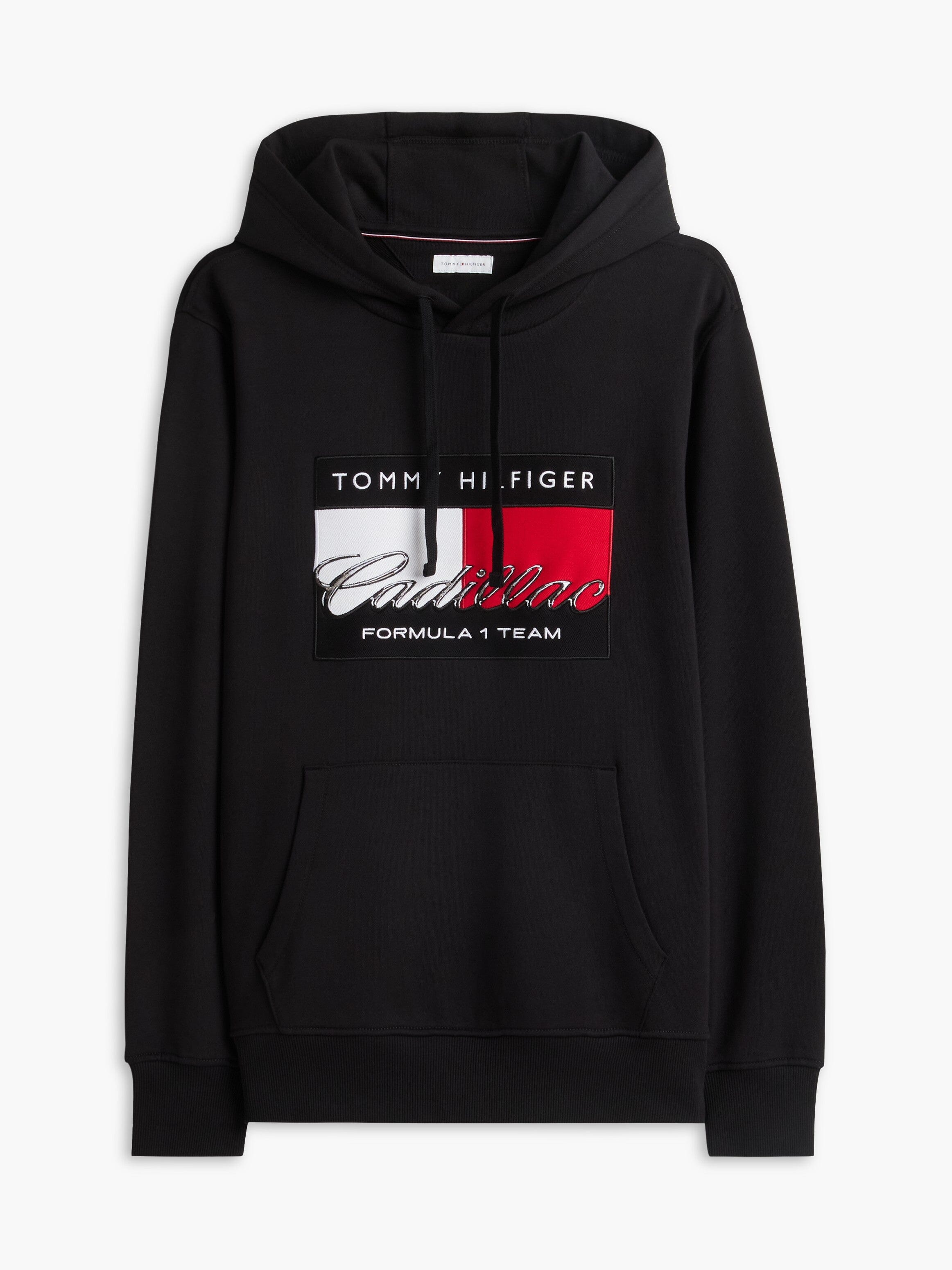
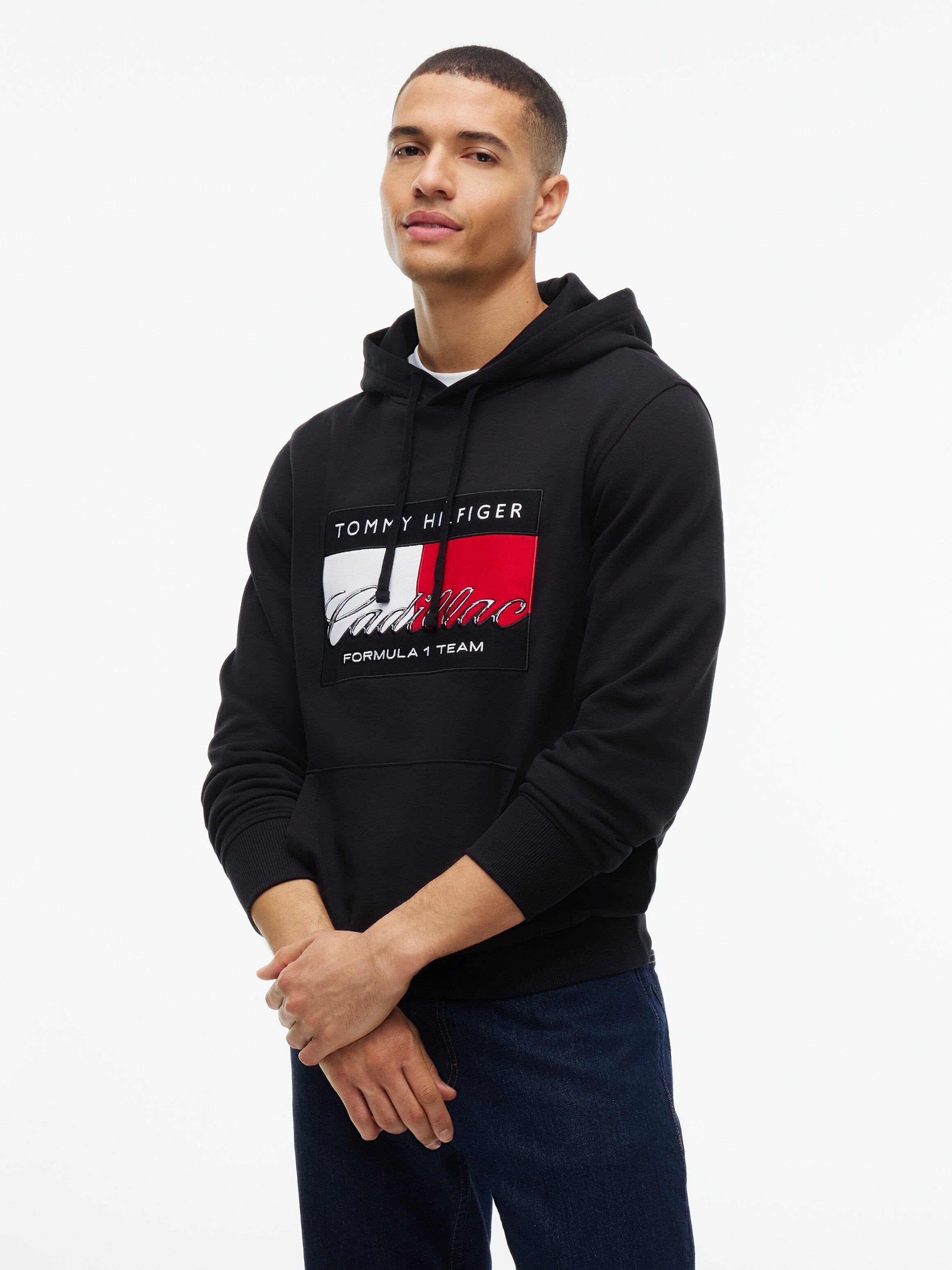
The arrival of Cadillac as the 11th team in 2026 is one of the most anticipated storylines in years. This is not a "stick a badge on it" marketing exercise; this is General Motors, a titan of industry, entering the piranha club. Their approach has been methodical and serious. They have set up bases in Fishers, Indiana, Charlotte, North Carolina, and Silverstone, tapping into the talent pools of both American motorsport and the F1 heartland.
rucially, they have passed the FIA’s homologation tests, a major hurdle for any new team, especially one designing a car for a brand-new set of regulations with challenging weight targets. They are not doing this alone, at least not yet. For 2026 and 2027, they will use Ferrari power units while GM builds its own bespoke engine for 2028. This is a pragmatic masterstroke. It removes the biggest variable, the engine, from their debut equation, allowing them to focus on chassis dynamics and team operations.
Their driver lineup reflects this pragmatism. Valtteri Bottas and Sergio Perez are not the drivers you hire if you want to win the championship in 2026; they are the drivers you hire if you want to build a team. Bottas brings his experience from the Mercedes glory years, his calm demeanor, and his technical feedback. Perez brings his tire management, his street circuit prowess, and his deep commercial value. Between them, they have seen it all. They will provide a stable baseline for the team to develop against. Cadillac knows they will likely be at the back, Graeme Lowdon has been refreshingly honest about that, but they are building a foundation for a decade of competition, not just a season.
Now, we must turn our attention to the machine that will define the next era. The 2026 regulations are not a tweak; they are a revolution. The FIA and F1 have looked at the current generation of "ground effect" cars, fast but heavy, large, and stiff, and decided to pivot. The goal is a "nimble" car, a machine that is smaller, lighter, and more agile, with a power unit that puts the driver back in the center of the energy management battle.
The first thing you will notice about the 2026 car is that it looks smaller. Because it is. The wheelbase has been slashed by 200mm, down to a maximum of 3400mm. In the world of vehicle dynamics, 200mm is a chasm. A shorter wheelbase fundamentally changes the polar moment of inertia of the car. It makes the car more eager to rotate, more responsive to steering inputs, and "snappier" at the limit. It means the cars will feel more alive in low-speed corners, darting into apexes rather than lumbering into them.
The width has also been reduced by 100mm to 1900mm. This reduction in track width will reduce the mechanical grip slightly but also reduce the aerodynamic wake the car punches through the air. The floor, the critical component of the current era, is also being narrowed by 150mm. This is a massive reduction in the surface area available to generate downforce. The ground effect tunnels are being replaced by a flatter floor concept, which aims to reduce the "porpoising" and bouncing that plagued the 2022-2025 era and make the cars less sensitive to ride height changes.
The target minimum weight is being reduced by 30kg to 768kg. This is an ambitious target. Teams are already grumbling that with the heavy electrical systems, hitting this weight will be an engineering nightmare. We will likely see a return to the "bare carbon" liveries as teams scrape away paint to save grams. The tires remain 18 inches, but they are narrower, 25mm narrower at the front and 30mm at the rear, further reducing drag and weight.
The most radical change is the introduction of Active Aerodynamics. The Drag Reduction System (DRS), a controversial feature of the sport since 2011, is dead. In its place is a system that affects the entire car, not just the rear wing.
The 2026 cars will have movable wings at both the front and the rear. The drivers will switch between two primary modes:
-
Corner Mode (Z-Mode): This is the high-downforce setting. The flaps on the front and rear wings are angled steeply to generate maximum grip for cornering and braking.
-
Straight Mode (X-Mode): This is the low-drag setting. On the straights, the driver (or the system) activates this mode, and the flaps flatten out. This sheds drag dramatically, allowing the car to pierce the air with greater efficiency.
Crucially, this system is available to all drivers on all straights, regardless of whether they are following another car. It is not an overtaking aid; it is a fundamental part of the car's operation. If you fail to activate Straight Mode, you will be seconds off the pace. The wings will also have an automatic safety feature where they snap back to Corner Mode if the driver touches the brake or lifts off the throttle, preventing the terrifying scenario of arriving at a corner with no downforce.
This creates a new "Son of DRS" dynamic. The cars will be slippery missiles on the straights and high-grip demons in the corners. The transition between these modes will be a critical area of development. How fast can the air reattach to the wing when it snaps back to Corner Mode? That split-second of aerodynamic instability could be the difference between hitting the apex and locking a wheel.
Under the engine cover, the changes are equally profound. The 1.6-liter V6 internal combustion engine (ICE) remains, but the complex and expensive Motor Generator Unit-Heat (MGU-H) has been banished. This component, which harvested energy from exhaust gases, was a marvel of engineering but irrelevant to road cars and a barrier to entry for new manufacturers like Audi.
To compensate for the loss of the MGU-H, the electrical side of the powertrain has been supercharged. The power split is now roughly 50/50 between the ICE and the electric motor (MGU-K). The ICE produces approximately 400kW (535 bhp), while the electric motor produces a staggering 350kW (470 bhp). This is a massive increase from the current 120kW electrical output.
This shift fundamentally changes the driving style. The drivers will have to manage their energy deployment with surgical precision. The new regulations introduce a "Manual Override Mode" (now simply called Overtake Mode). This is the replacement for the tactical element of DRS.
Here is how it works: If a driver is within one second of the car ahead, they are granted access to the Overtake Mode. This allows them to deploy extra electrical power (up to the full 350kW) for a longer duration down the straight. At the same time, the leading car is forced to "taper" its energy deployment at high speeds (above 290kph). This creates a speed delta not by opening a wing, but by sheer horsepower variance. It turns the overtaking battle into a game of energy chicken. Do you burn your battery early to defend? Do you save it for a counter-attack? The drivers will be busier than ever, managing distinct modes like "Boost" (standard attack), "Recharge" (harvesting), and "Overtake".
Predicting the pecking order of a new regulation set is a dangerous game, but the tea leaves offer some clues. History tells us that in a major engine regulation change, the works teams with the tightest integration between chassis and power unit tend to thrive. But with eleven teams and four engine manufacturers, the political and technical alliances are more tangled than ever.
Mercedes (Russell / Antonelli): The Silver Arrows must be considered the favourites. The 2026 regulations, with their emphasis on a high-power electrical system and the removal of the MGU-H, play directly into the strengths of their Brixworth engine division. Mercedes mastered the original hybrid era better than anyone. They have a stable driver lineup with George Russell entering his prime and Kimi Antonelli having a year of experience under his belt. If they can produce an engine that is even 5% more efficient than the rest, their chassis only needs to be "good enough" to dominate.
Red Bull Ford (Verstappen / Hadjar): The great unknown. For the first time, Red Bull is building its own engine. The partnership with Ford brings marketing clout and battery technology expertise, but the core challenge of building an F1 combustion engine from scratch is monumental. Rumors have circulated about the project being behind schedule, but betting against Christian Horner’s operation is usually a way to lose money. They have promoted Isack Hadjar, who impressed at VCARB, to partner Verstappen, signaling a return to their youth-development roots. If the engine lacks driveability, Verstappen will be vocal, but if it works, the chassis team at Milton Keynes rarely misses.
Ferrari (Leclerc / Hamilton): The Scuderia has sacrificed 2025 for this moment. By shifting focus early, they hope to hit the ground running. The shorter wheelbase and agile chassis concept should suit their traditional design philosophy. And they have Lewis Hamilton. His experience in developing the dominant 2014 Mercedes will be invaluable in the simulator. If Ferrari gives him a car capable of winning, the narrative of his eighth title will be the biggest story in sports. However, they must avoid the strategic blunders that have defined their recent history.
McLaren (Norris / Piastri): The champions of 2025 face a unique challenge. As a customer team (using Mercedes engines), they are reliant on HPP delivering a strong power unit. Historically, customer teams struggle to beat the works outfit in the first year of a new engine formula due to packaging integration challenges. However, McLaren’s aero department is currently the class of the field, and they have the strongest driver pairing on the grid in Norris and Piastri. If the engine is equal, and McLaren’s chassis retains its edge, there is no reason Lando Norris cannot defend his crown.
Aston Martin (Alonso / Stroll): The wildcard. They will have Honda power, a works deal, and Adrian Newey designing the chassis. This combination is potent. Honda has proven they can build a championship-winning engine, and Newey is the greatest designer in history. If they can integrate these elements, Aston Martin could be the surprise package that upsets the established order. Fernando Alonso is 44 years old, but his hunger is undiminished. He is betting everything on this project being his swan song masterpiece.
Williams (Albon / Sainz): The dark horse of the midfield. Armed with the same Mercedes engine that is expected to be the class of the field, and arguably the strongest driver lineup outside of the top three in Albon and Sainz, Williams is poised to punch up. James Vowles has been building toward 2026 since the day he arrived. If the Mercedes PU is dominant, Williams could find themselves fighting for podiums regularly, reminiscent of their 2014 resurgence.
Alpine (Gasly / Colapinto): A team in flux but with potential upside. The decision to abandon their own Renault engine program and become a Mercedes customer is a humiliation for a manufacturer team, but a pragmatic masterstroke for the race team. They trade national pride for guaranteed horsepower. Franco Colapinto, who showed flashes of brilliance replacing Jack Doohan in 2025, earns a full-time seat alongside Gasly. With a reliable engine in the back, Alpine can finally focus solely on aero. They could be the surprise package of the midfield.
Audi / Kick Sauber (Hulkenberg / Bortoleto): The sleeping giant wakes up. Taking over Sauber is a long-term project, and 2026 is Day One. They are entering as a full works team with their own engine built in Neuburg. The learning curve will be vertical. Nico Hulkenberg brings experience to steady the ship, while F2 champion Gabriel Bortoleto brings youthful fire. Expecting them to win in 2026 is unrealistic; reliability will likely be their biggest opponent. They will likely be fighting to lead the midfield, aiming to emulate the trajectory of Red Bull in the late 2000s.
Racing Bulls (Lawson / Lindblad): The testbed. With a lineup of Liam Lawson and rookie sensation Arvid Lindblad, VCARB is fully embracing its role as Red Bull's junior squad. They will run the same Red Bull Ford engine as the senior team. If the engine is a dud, they will suffer; if it's a rocket, they could threaten the top five. Lindblad is only 18, making him one of the youngest drivers in history, a sink or swim moment for the young Brit.
Haas (Ocon / Bearman): The survivors. Esteban Ocon joins Oliver Bearman to form a lineup that blends aggression with potential. As a Ferrari customer, they will benefit if the Scuderia produces a strong engine. However, as the smallest team on the grid, the sheer engineering resource required to master the new active aero and energy management systems might stretch them to the breaking point. Expect them to scrap for the final points paying positions.
Cadillac (Bottas / Perez): The new kids on the block. The eleventh team finally arrives. With Valtteri Bottas and Sergio Perez, they have bought themselves thousands of laps of experience. They will run Ferrari engines for the first two seasons before their own GM unit arrives in 2028. Do not expect miracles. They will likely start at the back, but their presence is a victory in itself. Their goal will be to reach the 107% rule initially, then target Q2. It’s a learning year for the American giant.
The 2025 season was a glorious farewell to the ground effect era, a reminder of how tight the racing can be when regulations mature. But F1 is a shark; it must keep moving forward to survive. The 2026 regulations are a bold, high-stakes gamble to keep the sport road-relevant and exciting. The cars will be harder to drive, the strategy will be more complex, and the engineering challenge will be immense.
We are about to witness a scramble for supremacy the likes of which we haven't seen in a decade. The playing field is being leveled, the rulebook has been torn up, and the race to 2026 is already well underway in the wind tunnels and dyno rooms of the world. Lando Norris is the King of 2025, but in 2026, the throne is empty, and eleven teams are coming to claim it. Bring it on.